/prod01/channel_8/media/marketing-media/news/news-2026/Sakaynah-Hunter--interview.jpg)
The moment everything aligned
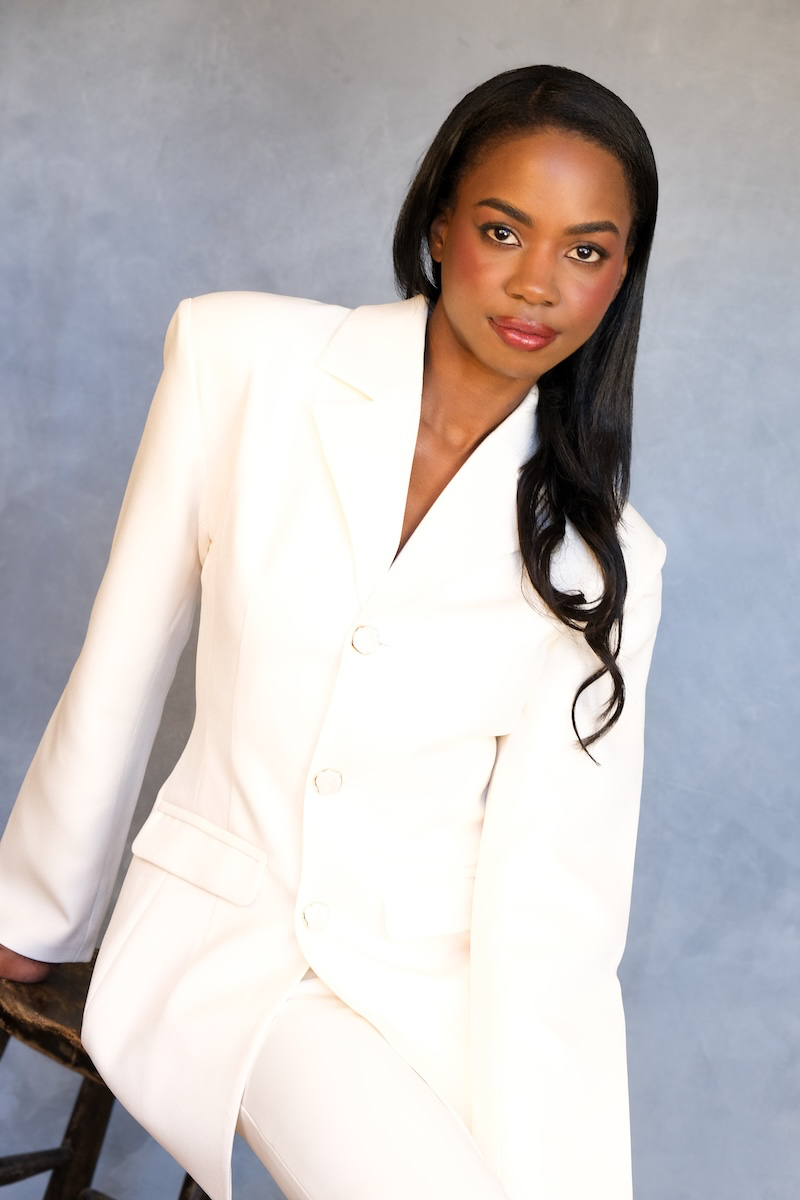
I was working on my PhD when I received the news confirming I had been selected as a Finalist in Miss Universe Great Britain 2026.
I remember instantly crying tears of ecstatic joy. I called my mum mid-cry, and we screamed in excitement. We both knew this moment meant more than a title. It felt symbolic. It felt aligned.
For me, this journey is not about stepping into something new. It is about stepping fully into who I have been becoming for years — a woman committed to ambition with integrity, to wellness as leadership, and to empowering women and girls to understand themselves, grow in confidence, and expand their opportunities.
Being announced as a Miss Universe Great Britain finalist on International Women’s Day feels symbolic and makes that alignment even more powerful because it affirms something I have long believed: leadership must be visible to be influential.
People often ask how I got here. The honest answer is through determination, resilience, and a refusal to shrink my ambitions. But the deeper answer is that every stage of my life has shaped my understanding of leadership.
Learning to build from the ground up
I started working at aged 16 in the jewellery department of Peter Jones. I learned early what it meant to show up professionally, to communicate with confidence, and to earn your place.
Breaking into journalism required persistence. I interned relentlessly, determined to work in a highly competitive industry. At one point, an editor at a high-profile publication told me she believed I had enough internship experience and would instead look out for opportunities for me. That affirmation mattered; it rewarded all my hard work.
When I was approaching the final year of my journalism degree, I entered and won an ELLE magazine competition as one of “tomorrow’s editors”. A decade later, I became an editor at that same publication!
That full-circle moment taught me something profound: leadership is often quiet before it is visible. It is built in private commitment long before public recognition.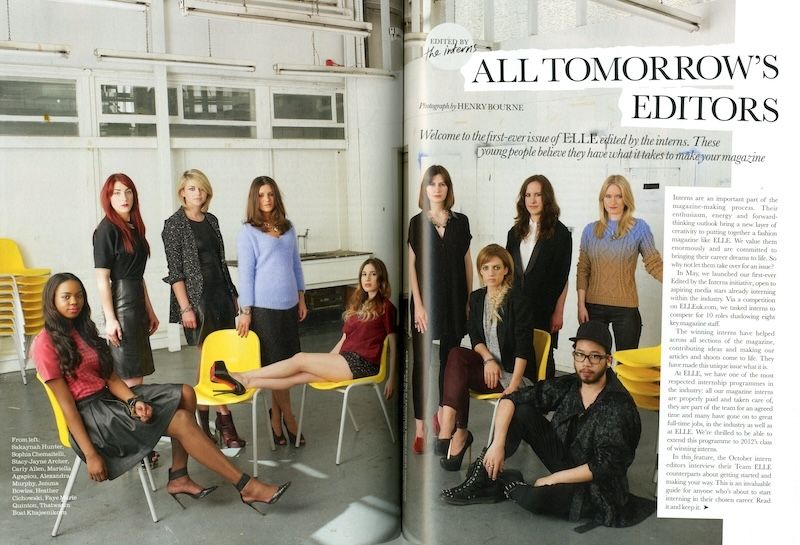
Journalism as advocacy
My work at global publications including ELLE, the Daily Mail and People deepened my understanding of the power of storytelling. Journalism, at its best, is advocacy.
I have reported on women’s health; maternal rights; gender-based violence, including coercive control, divorce law reform; women in politics; human rights; and entrepreneurship as a means of survival. I am intentional about positioning myself as a journalist committed to women’s issues and responsible reporting.
During interviews, women have often shared that they feel safe opening up to me. There have been moments of vulnerability — tears, difficult truths, private stories shared publicly for the first time. These moments reinforce something I value deeply: emotional intelligence is a leadership skill.
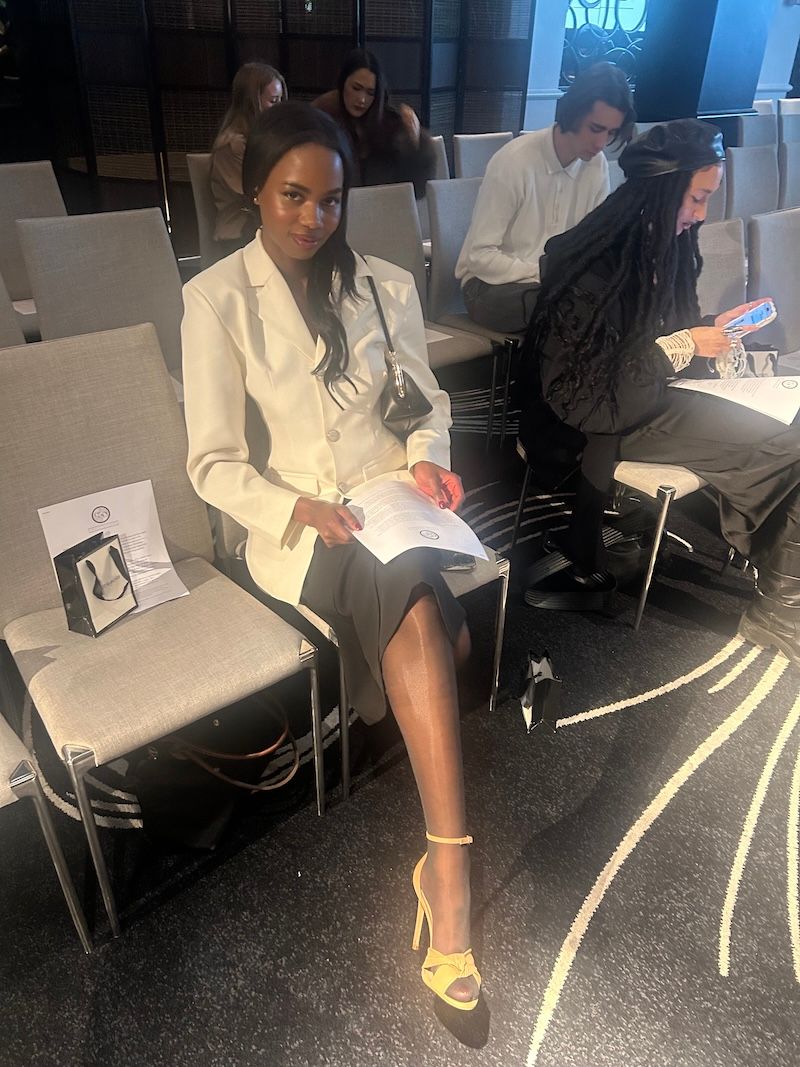
Entertainment journalism also holds value because culture shapes perception. Spotlighting women rising, including reporting on Naomi Campbell receiving her honorary doctorate from the University for the Creative Arts — the same university at which I am completing my doctorate — affirmed for me that visibility matters. Representation influences possibility.
Through journalism, I have learned that narratives shape confidence, which in turn shapes opportunity.
Why I chose to study women’s leadership
The idea was born from lived experience.
Having worked in women-dominated luxury fashion organisations, I have witnessed heightened tensions and relational conflict between women. These industries place immense emphasis on image, perception and elite standards of presentation. I became deeply curious about how such environments influence organisational relationships between women.
Much of the existing leadership research focuses on how women navigate male-dominated spaces. Far less examines the complexity of relationships within women-dominated industries, particularly in sectors like fashion and beauty, where identity and presentation are central.
At its heart, my work is about understanding how women can lead, connect and compete without diminishing one another.
I am keen to understand conflict not as isolated behaviour, but as something that can be addressed through awareness, intentional culture and leadership modelling.
If we want healthier workplaces, we must address how women relate to one another, not only how they navigate male-dominated structures.
Leadership, self-presentation and showing up
My research also examines self-presentation — how we “show up”.
Miss Universe Great Britain resonates with me because it offers a platform to model that visibly. Pageantry is often misunderstood as superficial. In reality, it is a global platform that demands poise, communication, discipline and cultural representation. For me, it is an extension of my leadership philosophy. Intellect and integrity are not opposites to elegance and presence. They strengthen one another.
Having invested years in self-awareness, wellness and personal growth, I approach leadership from a place of balance. I believe sustainable ambition requires attention to mind, body and emotional health. We cannot lead effectively if we neglect ourselves.
Miss Universe Great Britain allows me to embody this integration, to demonstrate that a woman can be academically rigorous, politically aware, emotionally intelligent and visibly confident. Leadership today is multi-faceted. Representation should be too.
Leading by example
As a lecturer and mentor, I have a responsibility to my students to model what purposeful leadership looks like, not only in theory, but in practice. As a journalist, I understand the responsibility that comes with shaping public narratives. As a researcher, I am committed to producing work that addresses real leadership and relational challenges.
Through the national and international platform of Miss Universe Great Britain, I hope to amplify these commitments and inspire women and girls to practice intentional, wellness-led leadership. I want to encourage them to cultivate self-awareness, to define success on their own terms, and to resist external pressures that conflict with their authentic ambitions.
Empowerment is not a slogan. It is a practice. It is choosing to lead with grace in competitive spaces. It is celebrating other women without feeling diminished. It is recognising that ambition and kindness are not mutually exclusive.
How I plan to make a real difference
My doctoral research explores elite femininity, identity negotiation and the dynamics of women-to-women conflict within women-dominated industries. Through this work, I aim to contribute both academically and practically to women’s leadership, offering insights that organisations, HR departments and employee engagement teams can use to foster healthier relational cultures.
I want to advocate for curbing bullying and relational conflict in both childhood and adult professional life. Many patterns we see in workplaces are extensions of unaddressed early dynamics. If we can intervene through education, awareness and healthier modelling, we can reshape organisational culture and encourage more constructive ways for women to lead, collaborate and succeed together.
Through the Miss Universe Great Britain platform, I hope to translate these ideas into practical engagement. This includes visiting schools, colleges and universities to speak with young women about confidence, leadership and navigating professional environments, as well as hosting workshops and collaborating with organisations focused on education, mentorship and women’s development. By connecting academic research with real-world conversations, I hope to encourage greater awareness of relational dynamics and support healthier, more empowering cultures for women and girls.
We don’t have to choose
Everything I have worked towards, from starting work at 16, to building a journalism career, to pursuing doctoral research, to lecturing and mentoring, has shaped my understanding of what responsible leadership looks like.
This journey is not about crowns or titles. It is about representation. It is about showing women and girls that they do not have to choose between intellect and elegance, ambition and compassion, visibility and depth.
We can be multi-dimensional. We can lead differently. And we can do so together.
To follow Sakaynah's journey and find out more, visit her Instagram @sakaynah